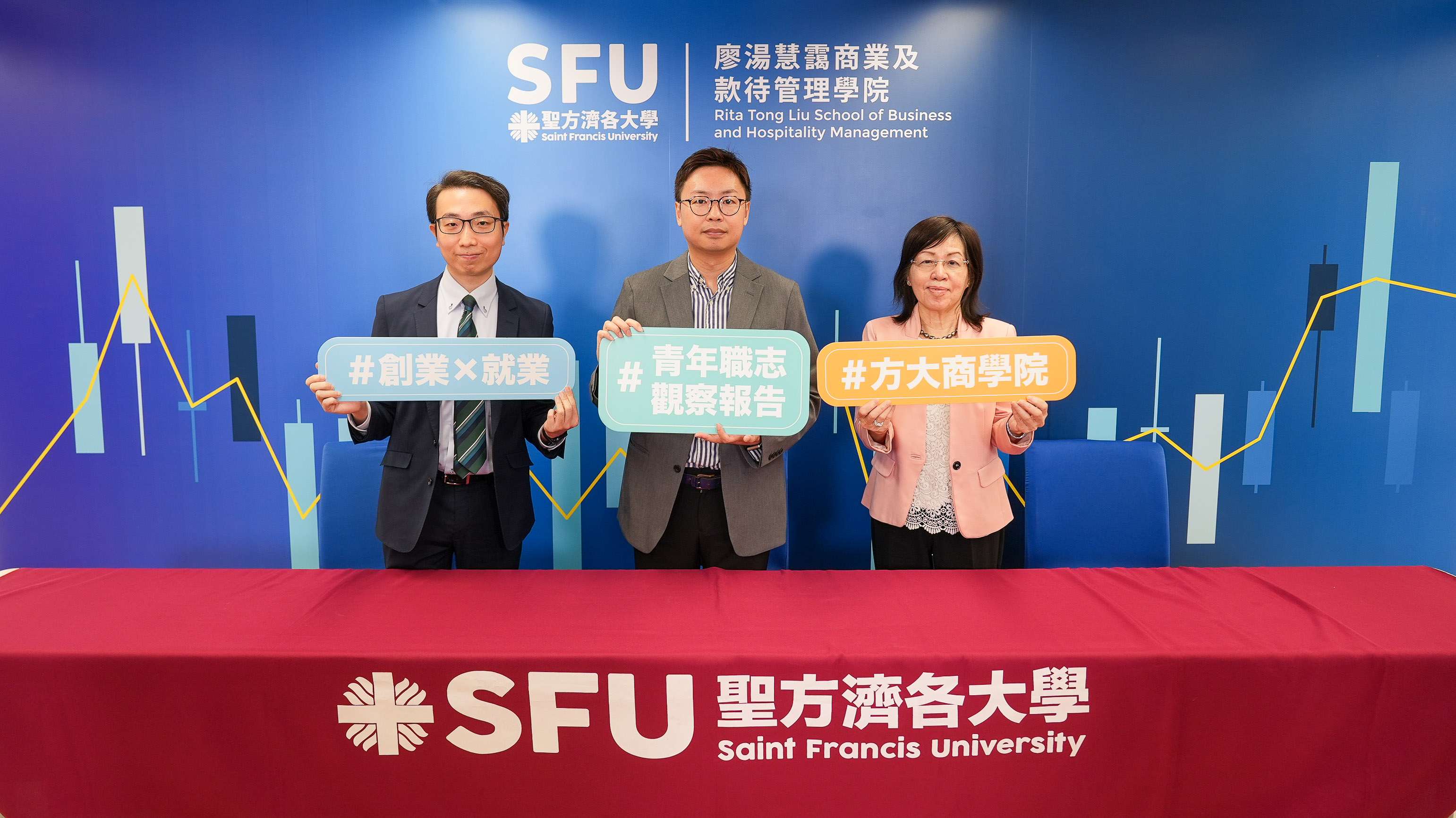
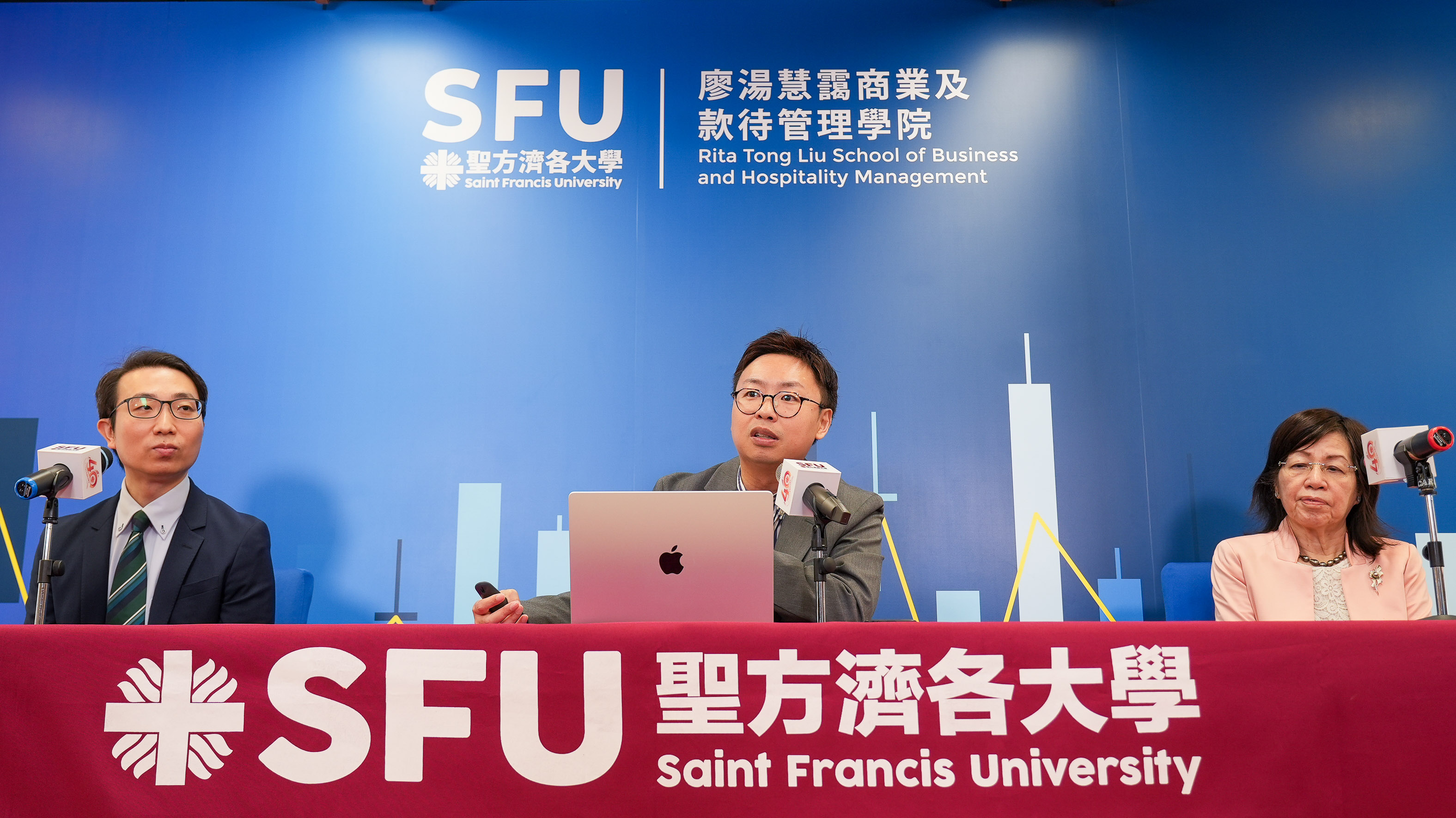
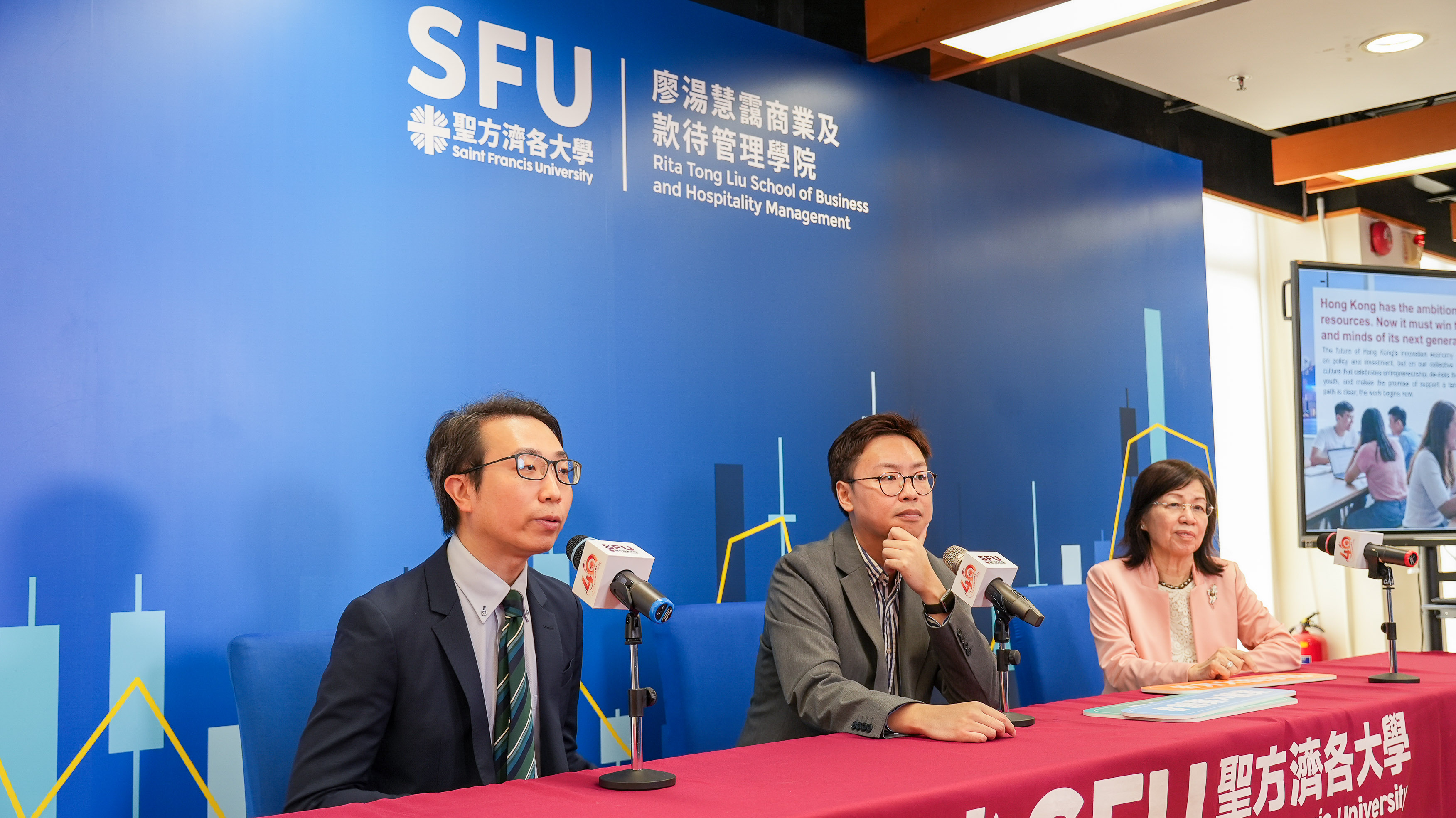
Hong Kong has long been regarded as an international innovation and entrepreneurship hub. The latest survey conducted by the Innovative Incubation Centre at Saint Francis University (SFU) found that although local university students show strong interest in entrepreneurship, they continue to face significant structural, cultural and information barriers.
Using quota sampling and allocating samples according to the proportion of fulltime students at each institution, the Startups x Careers: Hong Kong Youth Aspirations Report surveyed 300 students from eight publicly funded universities. Covering students from various disciplines including business, education and science, the report provides a comprehensive examination of Generation Z's entrepreneurial interest, career preferences, confidence in Hong Kong's startup ecosystem, perceptions of Greater Bay Area (GBA) opportunities, and awareness of the government's support programmes.
Strong entrepreneurial interest, yet challenges hinder action
The survey conducted by SFU's Innovative Incubation Centre revealed that Hong Kong's university students show strong entrepreneurial interest, with 80% of respondents indicating their intention to start a business in the future. Many also prefer ventures related to their academic disciplines. However, in terms of career preference, only 48% stated they would choose to work in a startup, while only 35% believed that startup careers carry social recognition. This suggests that enthusiasm for entrepreneurship has yet to be translated into action effectively.
According to the survey, family pressure remains the major barrier, with 95% of surveyed students agreeing that family expectations are the primary obstacle. Entrepreneurship is still widely viewed as a "risky, nonpreferred career path", while 85% believe the cost of early career failure is too high. This shows that students' reluctance to pursue entrepreneurship is not a rejection of innovation, but rather an attempt to avoid the significant risks associated with starting a business. Additionally, inadequate entrepreneurial conditions are evident, including limited funding, insufficient entrepreneurial skills and a lack of market knowledge. As a result, the proportion of local young people considering entrepreneurship as a viable career option remains relatively low, with many graduates continuing to prefer large corporations for their stable career development.
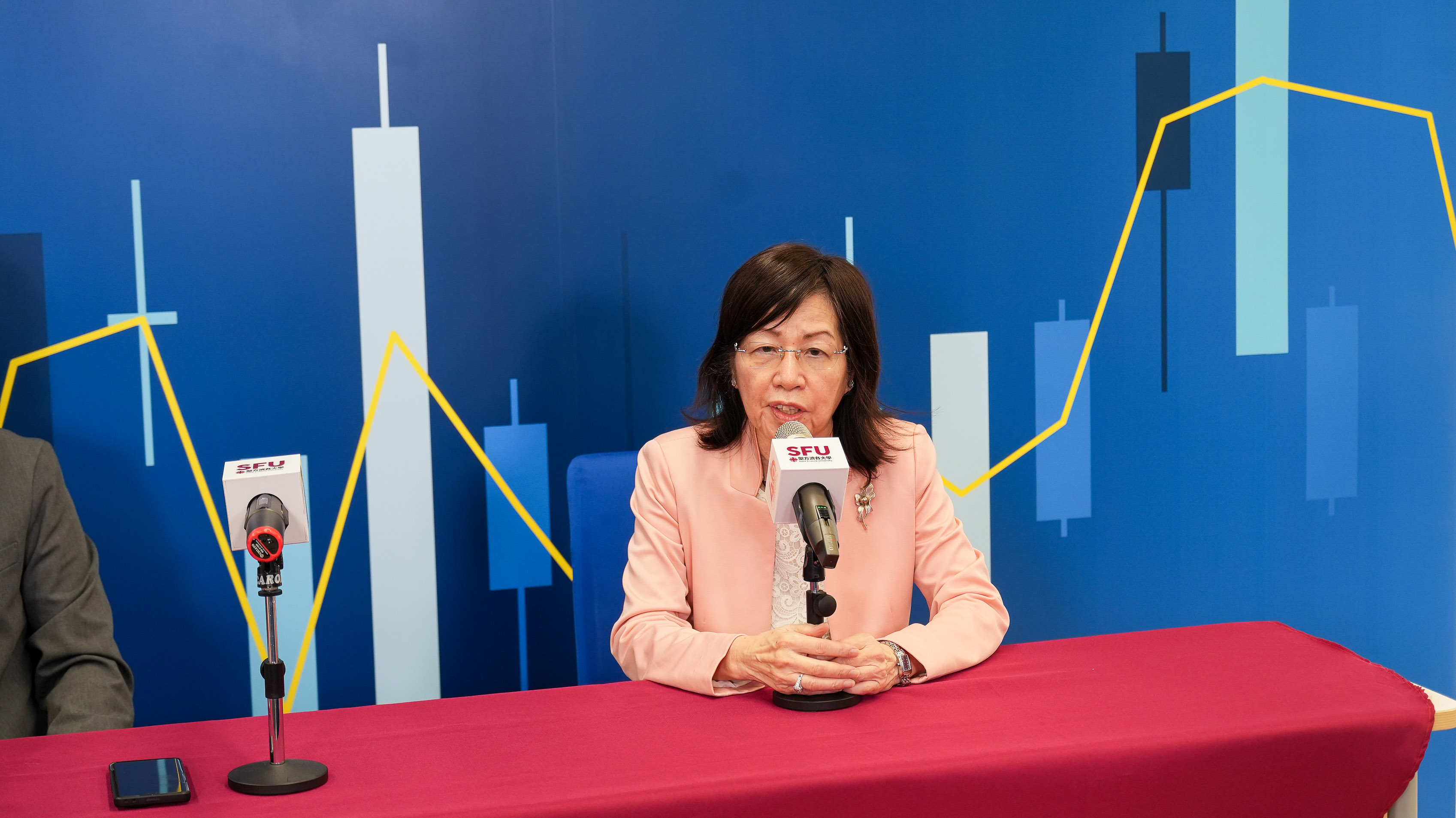
Professor Susana Yuen Lai-mei, Dean of the Rita Tong Liu School of Business and Hospitality Management at SFU, said, "Hong Kong's young people possess creativity and potential. The key lies in how education, practical experience and cross-sector collaboration can help them transform entrepreneurial ideas into sustainable ventures. Universities not only cultivate knowledge and professional competence, but also play an important role in inspiring innovative thinking, strengthening practical capabilities and building students' confidence in entrepreneurship."
The report recommends that universities strengthen youth's confidence in Hong Kong's entrepreneurial environment through a range of measures, including enhancing students' practical entrepreneurial skills through courses, workshops and mentorship programmes, promoting stories of successful young entrepreneurs to help ease social, cultural and family pressure, raising recognition of start-up careers, and showcasing improvements in the local entrepreneurial ecosystem alongside successful cases.
SFU calls for Enhanced GBA Cross Border Startup Support for Young Entrepreneurs
amidst limited awareness of government support policy
The study also examined students' perceptions of GBA opportunities and awareness of government policies. The findings show that university students expressed low confidence in the local entrepreneurial ecosystem, with 56% holding a neutral view of Hong Kong's innovation and technology support. Furthermore, they remained cautiously neutral towards entrepreneurship in the GBA, without viewing GBA opportunities as a clear advantage. Although the government has introduced various measures to encourage entrepreneurship, students' awareness of government funding and incubation programmes remains limited. Over 80% of respondents considered access to relevant programmes insufficiently convenient, while 93% indicated government support had little influence on their decision to start a business.
Dr Ken Ip Man-hon, Associate Director of the Innovative Incubation Centre at SFU, said, "The survey shows that Hong Kong young talent is full of enthusiasm for entrepreneurship, but still faces many challenges. By understanding their perspectives, institutions, policymakers and incubators can design support programmes that better tailored to their needs, nurturing youth innovation and entrepreneurial development."
The Innovative Incubation Centre at SFU recommends that the government enhance the visibility and accessibility of its support programmes through more targeted promotion strategies and streamlined online platforms. It also suggests that the government, universities and incubators provide clearer guidance and supporting resources for crossboundary entrepreneurship in the GBA, such as financing channels, legal support and market intelligence, to help young individuals explore mainland markets with greater confidence.
On the other hand, showcasing improvements in the local entrepreneurial ecosystem and successful incubation cases can gradually build young people's trust and confidence in pursuing entrepreneurship. The survey findings will provide useful references for the Centre's future work, helping to foster a more supportive environment for Hong Kong's new generation of entrepreneurs.
SFU is committed to advancing innovation and entrepreneurship education, nurturing creative talents with market acumen through both curricular and practical support. Among these, the Bachelor of Entrepreneurial Management (Honours) in Design Business programme integrates design thinking, business strategy and entrepreneurial management, equipping students with the interdisciplinary knowledge and practical capabilities needed for start-up development. As a key platform for promoting innovation and entrepreneurship at SFU, the Innovative Incubation Centre leverages research, training, mentorship and resource connections to support students and young individuals in exploring entrepreneurial pathways, nurturing a robust entrepreneurship culture on campus.